
Browse Porn Privately Without Leaving Obvious Traces Online
Many people want to browse porn privately without turning their internet habits into some complicated security project. Most are not trying to hide from the world completely. They simply want fewer awkward situations, fewer ads following them around online, and a little more control over what stays on their devices after a browsing session ends. That is completely understandable.
Adult browsing is still something most people prefer to keep personal. The problem is that modern browsers, websites, apps, and advertising systems remember much more than users expect. Sometimes it is harmless. Other times it becomes annoying very quickly. Maybe someone borrows your laptop and sees an old tab sitting open in the browser. Maybe your phone suddenly starts showing adult ads while you are scrolling through a completely unrelated website in public. Sometimes a shared device saves passwords automatically without you even noticing.
The internet has become extremely connected, and that convenience works both ways. Browsers sync between devices, recommendation systems track activity, and advertising networks follow people across huge parts of the web. Once users realize how much information gets stored automatically, privacy starts feeling far more important than it did before. The good news is that staying more private online usually does not require advanced technical knowledge. In most cases, a few smarter habits already make a noticeable difference.
Why More People Care About Privacy Online
A lot of privacy discussions online sound dramatic, but for most people this is not really about paranoia. It is more about comfort and personal boundaries. People lock bathroom doors, protect phone passwords, and keep financial information private without thinking twice about it. Adult browsing falls into the same category for many users. They simply do not want private habits becoming visible to friends, partners, coworkers, or random advertising systems online.
The awkward moments are usually much smaller and more realistic than the internet makes them sound. A browser restoring old tabs can easily expose browsing history on a shared computer. Notification previews sometimes appear at the worst possible time. Some people realize their browser synced activity between work devices and personal phones automatically. Others discover that subscription emails or saved payment details stayed attached to accounts they forgot existed. None of this means disaster is around the corner. Still, it explains why more users now pay attention to online privacy than they did years ago. The internet remembers things very easily. Most people simply want a little more control over what gets remembered.
Incognito Mode Helps, But It Does Not Do Everything
Private browsing modes are one of the first tools people use when they want more privacy online. They are useful, but they are also misunderstood constantly. A lot of users still believe incognito mode makes them invisible online. That is not really how it works.
Private browsing mainly prevents the browser itself from saving local history, cookies, autofill data, and login sessions after the window closes. That helps reduce obvious traces left behind on the device itself. For someone using a shared laptop or desktop computer, this alone can already prevent many uncomfortable situations later.
Still, private browsing does not suddenly hide activity from the rest of the internet. Websites still receive visits normally. Internet providers still route traffic. Public networks, schools, or employers may still monitor internet activity depending on how their systems work. That does not make incognito mode useless. It simply means people should understand what it actually does instead of expecting complete invisibility online.
The Biggest Myth About Private Browsing
The biggest mistake people make is assuming private browsing automatically handles every privacy risk for them. It does not stop screenshots, downloads, account logins, or external tracking systems from existing. If someone logs into an adult account while using incognito mode, the website still knows the account exists. Advertising systems may still collect browsing signals. Files downloaded during the session also remain on the device afterward unless manually deleted later.
Private browsing is best viewed as a convenience tool. It helps reduce local traces and prevents browsers from storing unnecessary information on the device itself. That alone is genuinely useful for many people. The problem starts when users become careless because they think incognito mode hides everything automatically.
Shared Devices Make It Harder to Browse Porn Privately
Most privacy problems happen because of ordinary everyday situations, not because somebody got “hacked.” Shared devices are usually the biggest source of accidental exposure. Laptops, tablets, gaming consoles, smart TVs, and even phones now connect together constantly through synced browser accounts and cloud systems. That convenience makes daily life easier, but it also creates situations where private browsing activity unexpectedly appears somewhere else later. Someone might open a browser and instantly see restored tabs from the previous session. Password managers sometimes stay logged in for months without users thinking about it. Notifications from adult sites can suddenly appear on lock screens long after browsing has ended.

Phones create their own problems too. Mobile browsers often keep old sessions active for days, and many people rarely close tabs properly anymore. It becomes very easy to forget what is still running quietly in the background. For many people trying to browse porn privately, shared devices are usually where the biggest mistakes happen. The safest habits are usually the simplest ones. Logging out after sessions, closing tabs fully instead of minimizing them, avoiding saved passwords on shared devices, and disabling browser syncing when necessary already solves a surprising number of privacy issues. Most awkward situations online happen because people rush or assume they will “remember later.” Usually they do not.
Why Adult Site Ads Suddenly Follow People Everywhere
One thing many users notice very quickly after visiting adult sites is how fast advertising systems react afterward. Suddenly there are strange banners on unrelated websites, suspicious popups appearing during browsing sessions, or recommendations that clearly connect back to previous activity. This is where people start realizing how aggressively online tracking actually works.
Adult websites are not the only platforms doing this. Large parts of the internet rely heavily on advertising systems, cookies, behavioral tracking, and recommendation algorithms. Shopping sites, streaming services, social media apps, and search engines all collect enormous amounts of user data. Adult browsing simply makes the tracking feel more obvious because the ads are harder to ignore publicly.

Lower quality adult websites are usually far worse about this. Many overload pages with autoplay banners, fake download buttons, redirects, and aggressive advertising networks that continue tracking visitors afterward. This is one reason experienced users often stick with platforms they already trust instead of constantly jumping between random sites from search results. The good news is that reducing tracking usually does not require extreme privacy setups. Small changes already help noticeably.
Small Changes That Reduce Tracking
For most people, a few basic habits already improve privacy quite a bit:
- using a decent ad blocker
- clearing cookies occasionally
- avoiding suspicious popup ads
- keeping browsers updated
- separating adult browsing from normal everyday browsing when possible
None of these steps are complicated, but together they reduce a lot of unnecessary tracking and annoying advertising behavior.
VPNs Are Helpful, But They Are Not Magic
VPNs became incredibly popular over the last few years, partly because online advertising made them sound almost magical. Some companies market VPNs as if installing one instantly fixes every privacy issue on the internet. Realistically, VPNs are simply one useful layer of protection rather than a complete solution.
A VPN mainly creates an encrypted connection between a device and the internet. That helps hide browsing traffic from public WiFi networks and partially masks internet activity from providers or local network systems. This becomes especially useful while traveling or using public connections in airports, hotels, cafes, or shopping centers. For many users, that extra privacy is genuinely valuable.
Still, VPNs do not automatically make unsafe browsing safe. They do not protect people from phishing emails, scam websites, fake signup pages, weak passwords, malware downloads, or careless account habits. Some users actually become less cautious after installing a VPN because they suddenly feel “fully protected.” That mindset creates its own problems.
Free VPN apps also deserve caution. Some collect browsing data themselves or overload users with aggressive ads. In many cases, a reliable paid provider with a good reputation is safer than random free services with unclear ownership. For everyday users, VPNs are best treated as a useful privacy tool rather than a magic invisibility button.
Payment Privacy Matters Too
A surprising number of privacy problems start with subscriptions, billing systems, and forgotten accounts rather than browsing history itself. Many adult platforms rely heavily on recurring subscriptions. People sign up for cheap trial offers, forget about them completely, and later discover charges appearing months afterward. Others realize their payment information stayed attached to accounts they no longer use. That is why payment privacy deserves just as much attention as browsing privacy.
Reliable websites usually explain billing systems clearly before payment happens. Cancellation rules, renewal dates, and subscription details should never feel hidden or intentionally confusing. Sketchier websites often do the opposite. They bury important information inside misleading offers, vague signup pages, or complicated trial systems designed to confuse users into staying subscribed longer than intended. This is also why random “free premium access” offers deserve skepticism. Many fake adult websites exist mainly to collect emails, payment details, or account information rather than provide anything genuinely useful. Some of these tactics are also commonly seen on fake escort sites and other scam style adult platforms.
People who value extra privacy often separate adult subscriptions from normal everyday finances by using virtual cards, prepaid cards, or dedicated payment methods. That creates cleaner separation between personal spending and adult browsing activity. Even simple habits like checking renewal terms carefully before signing up already prevent many problems later.
Public WiFi Is Usually a Bad Place for Sensitive Browsing
Public WiFi is convenient, but convenience and privacy rarely go together perfectly online. Airports, hotels, cafes, public transport systems, and shopping centers often use weak or poorly maintained network security. Most people never notice because nothing visibly “bad” happens while browsing casually. Still, open public networks are not ideal places for sensitive activity involving accounts, passwords, or payment information. This is one situation where VPNs genuinely become much more useful for ordinary users.
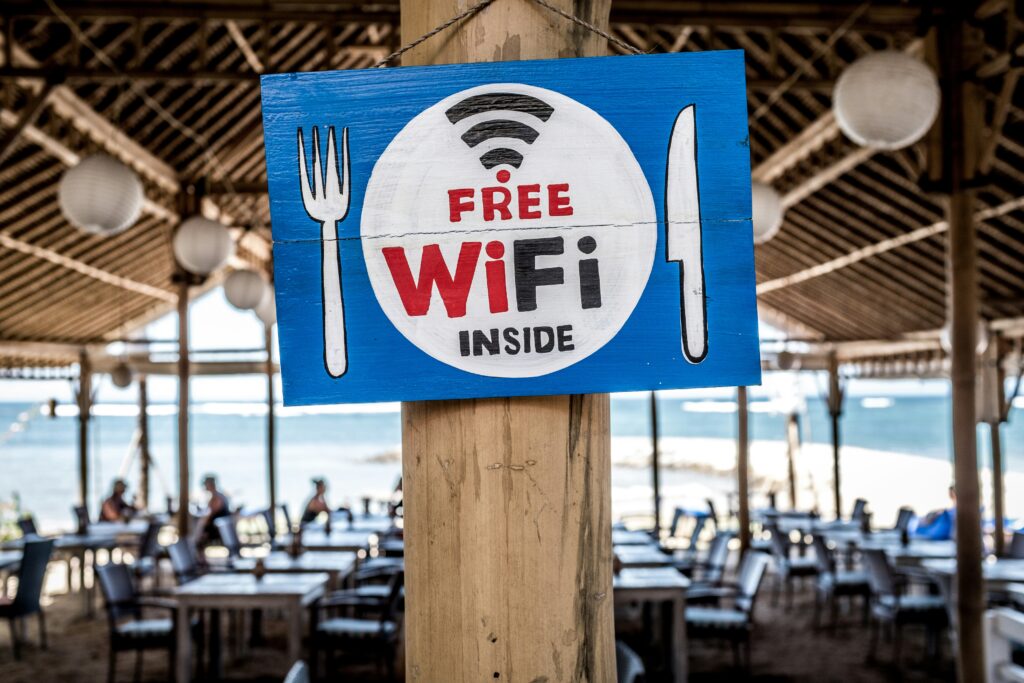
Even then, common sense matters more than expensive tools most of the time. Logging into adult subscriptions on random public networks, downloading unknown files, or staying permanently signed into sensitive accounts while traveling creates unnecessary risks people can usually avoid quite easily. People who want to browse porn privately while traveling should be especially careful on public WiFi connections. In many cases, simply waiting until returning to a safer connection is the smarter option.
You Do Not Need Extreme Privacy Habits
One reason privacy discussions become confusing online is because people often push everything toward extremes. Some articles make it sound like users need military grade cybersecurity setups just to browse adult websites safely. That usually creates more anxiety than actual practical help. Most people do not need complicated systems. They simply need better habits, more awareness about tracking, safer passwords, and more caution around sketchy websites. Those basic improvements already reduce most common privacy problems significantly.
The important thing is staying realistic. Perfect online privacy probably does not exist anymore. The modern internet collects enormous amounts of information constantly, and most people will never fully escape that system completely. Still, there is a huge difference between being careless and being reasonably careful. For everyday users, reasonable privacy habits are more than enough most of the time.
Final Thoughts on How to Browse Porn Privately
Learning how to browse porn privately is mostly about reducing unnecessary risks and avoiding the small mistakes that create awkward situations later. Most users do not need advanced technical knowledge or extreme privacy setups to improve their online habits. A few smarter decisions already go a long way. Understanding what incognito mode actually does, staying careful with shared devices, reducing trackers, protecting account information, and avoiding low-quality websites already makes browsing noticeably safer and less stressful overall.
The internet will probably never become fully private again. Still, having more control over what devices remember, which websites receive personal information, and how accounts are managed can make a real difference over time.