
Sugar Dating Red Flags to Watch For
Sugar dating platforms have become much more visible over the last few years. Some people use them for casual dating, some for financial support, and others simply out of curiosity. Like most online dating spaces, they can include both genuine users and fake profiles at the same time. That is why understanding sugar dating red flags matters before conversations become personal, emotional or expensive.
Not every awkward message is a scam. Some people are simply inexperienced or bad at online communication. Still, certain patterns tend to appear again and again on sugar dating apps and websites. Learning how to recognize those patterns early can save time, money and unnecessary stress.
What Sugar Dating Usually Means Today
Sugar dating usually refers to relationships where financial support, gifts or lifestyle expectations are openly discussed. In many cases, people use terms like “sugar daddy” or “sugar baby” directly in their profiles. Others prefer more casual wording and treat the experience more like modern online dating with clear expectations. Part of the reason sugar dating became so popular online is simple. Dating apps changed how people meet, and many users now prefer direct conversations about lifestyle, travel, money or long-term expectations instead of vague dating culture.
At the same time, the popularity of sugar dating platforms also attracts scammers, fake accounts and people looking to manipulate others. That does not mean every profile is fake. It simply means users should pay attention to behavior patterns instead of blindly trusting polished profiles. Some people use sugar dating casually and honestly. Others treat it more like a business arrangement. Different expectations are common, which is why clear communication matters early on.
Why Sugar Dating Platforms Often Attract Fake Profiles
Money changes online behavior. Any platform connected to financial expectations will naturally attract scammers looking for fast opportunities. Some fake profiles are easy to spot immediately. Others are surprisingly convincing. Many use stolen photos, scripted conversations and emotional pressure to create trust quickly.
This happens on nearly every major dating platform, but sugar dating spaces can move faster than traditional dating apps. Conversations about gifts, allowances or travel can make users lower their guard earlier than usual. It is also important to separate normal awkward behavior from actual red flags. Someone replying slowly or writing short messages does not automatically mean they are fake. Real warning signs usually appear as repeated patterns, pressure tactics or inconsistent stories.
Sugar Dating Red Flags in Early Conversations
One of the most common warning signs is a conversation that becomes overly intense within minutes. Some fake profiles immediately turn sexual or emotional before any real connection exists. Others quickly start talking about expensive lifestyles, luxury travel or financial arrangements without even learning basic information about the other person.
Another common issue is avoiding normal questions. A profile may look polished, but the person behind it never gives direct answers about their location, lifestyle or availability. Instead, they redirect the conversation every time details become specific. Common early warning signs include:
- refusing video calls
- copy-paste style messages
- asking to leave the platform immediately
- avoiding direct questions
- promising unrealistic allowances early on
Copy-paste messaging is extremely common on sugar dating websites. Some sugar babies and sugar daddy accounts send identical introductions to large numbers of users. These conversations often feel strangely generic. Compliments sound scripted, and replies do not fully match the discussion. A major red flag appears when someone pushes to move the conversation to Telegram, WhatsApp or private texting apps almost immediately. Many scammers prefer private platforms because moderation becomes much harder there.
Some suspicious accounts also disappear and reappear repeatedly with slightly different profile details. Others constantly talk about luxury lifestyles but never provide believable real life details behind the image they are presenting.
Money Requests Are One of the Biggest Sugar Dating Red Flags
One of the clearest warning signs is any request for money before meeting in person. Scammers often invent believable reasons for needing fast payments. The story changes depending on the target. Some mention travel problems. Others claim they need “verification fees” or temporary help before meeting. Gift cards, cryptocurrency transfers and payment app requests appear constantly in online dating scams because they are difficult to reverse once sent.
Another common tactic involves fake generosity. A profile may promise huge allowances immediately after matching. In reality, genuine arrangements usually involve gradual trust and real communication instead of unrealistic promises from strangers. Emotional manipulation is also common. Some scammers create fake emotional closeness very quickly and then introduce financial problems shortly afterward. The goal is usually guilt, pressure or emotional confusion.
Some scams work because people feel embarrassed questioning someone they already trusted online. That emotional hesitation is often part of the manipulation itself. As a general rule, large promises combined with urgency rarely end well online.
Signs a Sugar Dating Profile Might Be Fake
Photos are usually the first thing people notice, but they can also be misleading. Some fake profiles use heavily edited images or stolen content from social media accounts. Others mix photos that clearly look like different people entirely. Lighting, age, style and image quality may change dramatically between uploads. Profiles filled only with highly professional photos can also be suspicious. Real users usually upload at least a few normal-looking pictures mixed with polished ones.

Reverse image searches can sometimes help identify stolen pictures. If the same photos appear across unrelated websites or different names, that is an obvious warning sign. Very empty profiles can also be suspicious. A profile that only says “message me” while claiming extreme wealth or luxury lifestyles should probably be viewed carefully.
Another major sign is avoiding video calls completely. Not everyone enjoys video chatting, which is understandable. Still, someone who repeatedly refuses every form of live verification while asking for trust should raise concerns. Some fake accounts even misuse verification badges or pretend to be “verified” through edited screenshots and fake profile graphics. Small details matter more than people think.
AI-Generated Profiles and Edited Photos Are Becoming More Common
Modern dating platforms now face another issue: AI-generated images and heavily edited profile photos. Some fake accounts use images that look almost perfect at first glance. After a closer look, small details start appearing strange. Backgrounds may look distorted. Jewelry may change shape. Facial details can appear unnaturally smooth.
Even real users sometimes over-edit their photos heavily, which can create unrealistic expectations before meetings. This does not mean every polished profile is fake. It simply means online appearance should never be the only reason someone seems trustworthy. Behavior matters far more than aesthetics.
Privacy and Safety Concerns People Often Ignore
Many people focus so heavily on fake profiles that they forget about privacy problems. Sharing personal information too early can create unnecessary risks. Full names, work locations, personal phone numbers and private social media accounts should not be handed out immediately to strangers online. Learning more about safer online privacy habits can also help when using modern dating platforms.
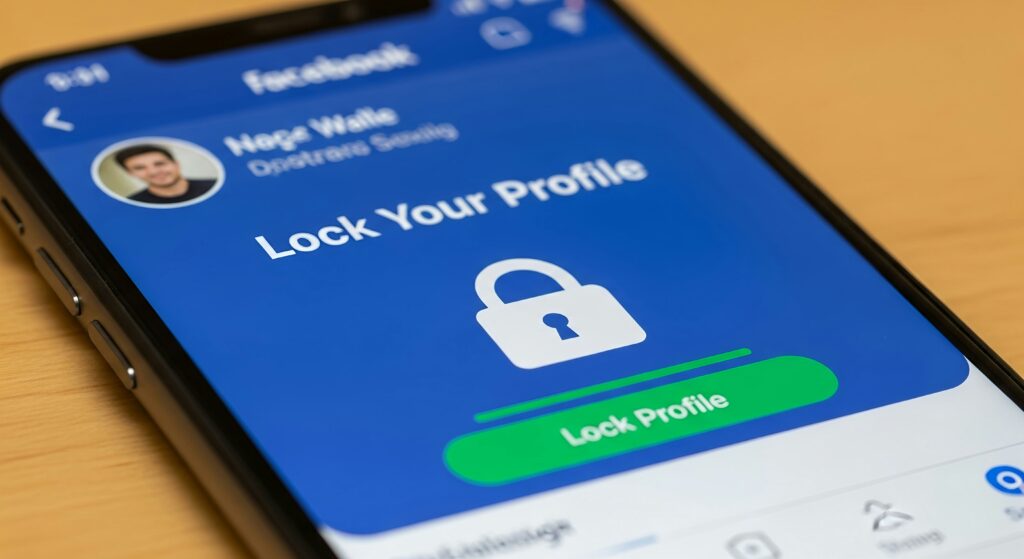
Private photos are another common issue. Once images leave your device, control becomes limited. Trust should build gradually instead of through pressure or emotional urgency. Some users also make the mistake of mixing sugar dating with professional accounts or work communication. Using separate contact methods can help keep personal and public life apart. Location safety matters too. Public places are usually smarter for first meetings than isolated apartments or hotel rooms with someone you barely know. These basic habits may sound simple, but they prevent many problems before they even start.
Behavior Patterns That Often Signal Manipulation
Manipulation online is not always obvious at first. Some people use excessive compliments and emotional intensity very early. This is often called “love bombing.” The attention feels exciting at first, but it can quickly become controlling or emotionally exhausting. Pressure is another major red flag. Someone pushing for immediate meetings, financial decisions or private photos without respecting boundaries usually creates problems later as well.
Guilt tactics are also surprisingly common in sugar dating spaces. A person may act offended when boundaries are set or try to make someone feel selfish for being cautious. Inconsistent stories can reveal problems too. Details about jobs, travel, relationships or finances may constantly change over time. Trust usually grows through consistency, not through intensity.
Red Flags During the First Meeting
Even after long conversations online, the first real meeting still matters. One common warning sign is last-minute location changes. Someone who suddenly moves the meeting to a private apartment or isolated location without discussion should be approached carefully. Pressure around money can also become uncomfortable fast. Some users attempt to create awkward financial expectations immediately after arriving.
Another issue involves refusing public spaces entirely. Cafés, restaurants and normal public environments are usually safer for early meetings because they reduce pressure and create a more relaxed atmosphere. Unexpected guests can also be a problem. If someone arrives with friends or introduces completely new conditions without warning, that changes the situation entirely. Pay attention to whether the real-life interaction matches the tone and personality presented online.
How to Stay Safer While Using Sugar Dating Platforms
Most problems online become easier to notice when people slow down and pay attention to patterns instead of promises. Simple habits can make a big difference:
- avoid sending money before meeting
- use video calls when possible
- protect personal information early on
- keep conversations on-platform at first
- trust behavior patterns more than profile photos
It also helps to remember that genuine people usually understand caution. Healthy communication rarely depends on pressure, urgency or emotional manipulation.
Learning to Recognize Sugar Dating Red Flags Earlier
Most sugar dating red flags are not hidden secrets. They are repeated behavior patterns that become easier to notice with experience. Fake profiles, rushed conversations, emotional pressure and payment requests tend to follow similar scripts across many platforms. The earlier those patterns are recognized, the easier it becomes to avoid unnecessary stress and bad experiences.
Sugar dating itself is not automatically dangerous or fake. Like most forms of online dating, it simply requires awareness, patience and realistic expectations. Pay attention to consistency, trust your instincts when something feels off, and avoid making rushed decisions based purely on appearances or promises.